
Kuwait's tap water is manufactured: the overwhelming majority of the supply is produced by desalinating seawater, then blended with brackish groundwater to make it stable and suitable for use. The exact character of the water at the tap can vary by building, storage tanks and internal pipework, so a site-specific water test is the practical starting point for any treatment decision.
Last updated: August 2026. This guide is for hotels, restaurants, coffee shops, offices and facilities managers operating in Kuwait who need to understand what Kuwait's supply means for their site and how to choose a suitable treatment approach.
TL;DR
- Kuwait's supply is primarily desalinated seawater blended with brackish groundwater; the blend adds minerals and stability.
- The supply is generally soft to moderately mineralised, limescale is less of a driver than in very hard-water regions.
- The main tap-quality issue in Kuwait is building storage tanks in extreme heat, not the incoming supply.
- For business use, the treatment focus is taste, equipment protection and consistency at the point of use.
In this article
- How Kuwait's water is made
- Is Kuwait tap water safe to drink?
- Is Kuwait water hard or soft?
- What this means for businesses
- Choosing a treatment route
- A site-assessment checklist
- Sources and technical notes
- Talk to Sovereign Water
How Kuwait's water is made
Kuwait has no rivers and negligible rainfall, so most of its drinking water is produced by desalinating seawater at large coastal power-and-water plants, predominantly using multi-stage flash distillation, with reverse osmosis capacity added over time. Distilled seawater is very low in dissolved minerals, which makes it taste flat and can be corrosive to pipework.
Before distribution, the desalinated water is blended with brackish groundwater to add back minerals and stability. The result is a supply that is already engineered and disinfected before it reaches a building.
For a practical overview of what the numbers mean, see the TDS and water-quality explainer for Kuwait businesses.
Is Kuwait tap water safe to drink?
The blended supply is produced and monitored to international drinking-water guidelines by the Ministry of Electricity and Water. The practical answer for a specific premises depends on building storage tanks, internal pipework and the time water spends in storage before use.
Kuwait's rooftop temperatures are among the most extreme in the world. Water stored in ground or roof tanks can lose residual chlorine, gain sediment and support biofilm growth, particularly in hot months. Two similar cafés in different buildings can taste noticeably different for exactly this reason.
This is why many food and beverage operators in Kuwait add point-of-use filtration as a final safeguard, not because the incoming supply is unreliable, but because the last section of the water journey, inside the building, is where variation appears.
Is Kuwait water hard or soft?
Generally, Kuwait's supply is soft to moderately mineralised by international standards. The desalinated base is low in dissolved minerals, and the blend with brackish groundwater adds only modest TDS.
That means limescale is far less of a driver than in very hard-water regions. The more relevant considerations for business equipment in Kuwait are:
- taste and chlorine off-flavours at the point of use
- corrosion risk from low-mineral water on certain fittings
- storage-tank hygiene in hot conditions
- consistent water chemistry for equipment such as coffee machines, ice machines and steam equipment
Because the blend ratio and building conditions can vary, a current site water test is the reliable basis for deciding whether softening, carbon filtration, reverse osmosis or another approach is appropriate for the premises.
For more on how softening is considered in a Kuwait setting, see the Kuwait water softener guide.
What this means for businesses
For hospitality, food and beverage, and office environments in Kuwait, the treatment conversation is usually about taste, equipment protection and consistency rather than limescale removal.
Coffee, tea and beverages
Low-mineral water can under-extract coffee, muting flavour and body. Specialty operators often add controlled remineralisation to reach a balanced extraction profile, alongside carbon filtration to remove any chlorine off-notes from the supply.
Ice, steam and hot-water equipment
Chlorides in seawater-derived supply and variable TDS can affect equipment such as ice machines, steam ovens and boiling-water taps. The right specification depends on the equipment manufacturer's water requirements and the site's actual water test, not a generic regional assumption.
Commercial drinking-water systems
Drinking-water taps and dispensers need treatment suited to the incoming water and the selected system. The aim is a reliable, maintainable setup that fits the intended water types, site usage and product requirements.
For a wider view of water-treatment requirements across Kuwait hospitality and office sites, see Sovereign Water's commercial solutions.
Choosing a treatment route
| Treatment route | When it may be considered | What must be checked first |
|---|---|---|
| Carbon / sediment filtration | Where taste, clarity and chlorine removal at the point of use are the priority | Incoming water chemistry, selected media, cartridge capacity, maintenance plan |
| Reverse osmosis | Where a broader reduction in dissolved material is required for a specific application | Water analysis, demand, recovery, storage, downstream equipment requirements |
| Remineralisation | Where beverage extraction or specific equipment needs a defined mineral profile | Target TDS / mineral profile, downstream application, equipment manufacturer guidance |
| Water softening | Where hardness management is identified as a site-specific requirement | Water analysis, equipment requirements, flow, regeneration and service arrangements |
The correct route may include more than one treatment stage. The point is not to prescribe a product before the site is understood. It is to match the treatment system to the water, the application and the operating conditions.
Filtration for taste and clarity
Carbon and sediment filtration can be considered where the priority is removing taste or chlorine off-notes and protecting the equipment or point of use from suspended matter. The selected media and cartridge arrangement should be based on the actual water test and the equipment being protected, rather than a generic rule.
regent-filters
Reverse osmosis where broader treatment is required
Reverse osmosis may be considered where a site needs a broader reduction in dissolved material for a particular process or water-use application, such as a high-specification beverage line. It should be specified around a current analysis, demand profile, installation conditions and the requirements of the equipment it supports.
imperial-ro
Remineralisation for beverage applications
Remineralisation can be considered where the incoming water is low in dissolved minerals and the application, such as specialty coffee extraction, depends on a defined mineral profile. The target profile should be set with the equipment manufacturer's guidance and the intended beverage quality in mind.
A site-assessment checklist
Before selecting or refreshing a treatment system, gather:
- a current water analysis from the relevant point of use (TDS, chlorine, pH, general chemistry)
- the equipment list, model details and manufacturer water requirements
- daily demand and peak-use periods
- available water, power, drainage and installation space
- building storage-tank condition, last cleaning date and access for routine maintenance
- service-access constraints and the person responsible for routine checks
- operational priorities, such as beverage quality, equipment protection or drinking-water consistency
A planned maintenance programme should be considered alongside the equipment selection. Filters, membranes and servicing need to be practical for the site after installation, not only suitable on a drawing.
Sources and technical notes
For current Kuwait water-sector and standards context, consult the relevant official bodies and confirm the requirements that apply to the individual site:
- Ministry of Electricity and Water, Kuwait
- World Health Organization for the international guidelines the supply is produced to
For product-specific information, use the current manufacturer documentation and the final selected product's installation and service requirements. Do not rely on a general article for a final technical specification.
Talk to Sovereign Water about your Kuwait site
Tell us about your site, water analysis, equipment and operating requirements. Sovereign Water can discuss a treatment route that fits the application and the practical constraints of the facility.
Products mentioned in this article
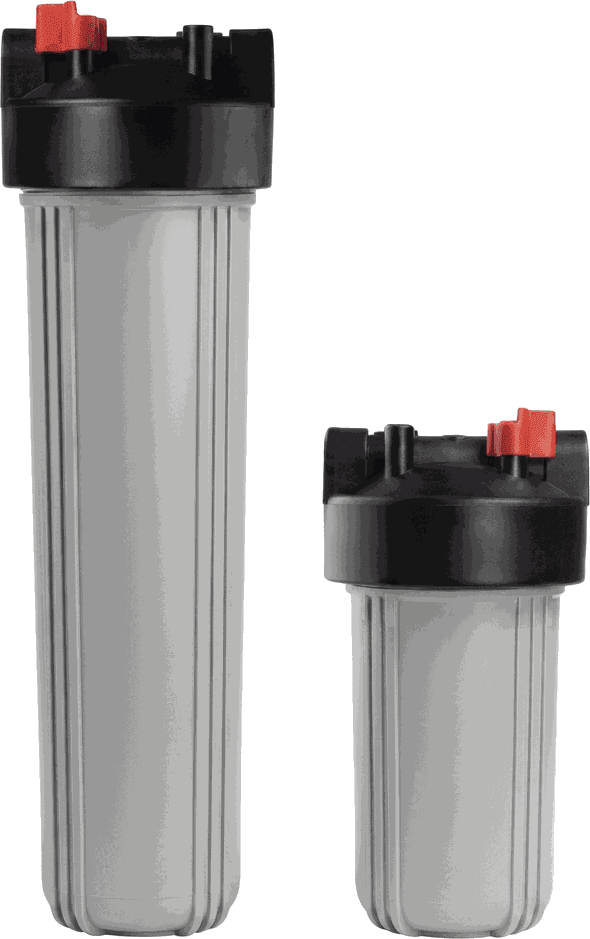
Whole-site filter housings for domestic and commercial applications: the Big Grey range takes 4.5 x 20 inch and 4.5 x…
View product →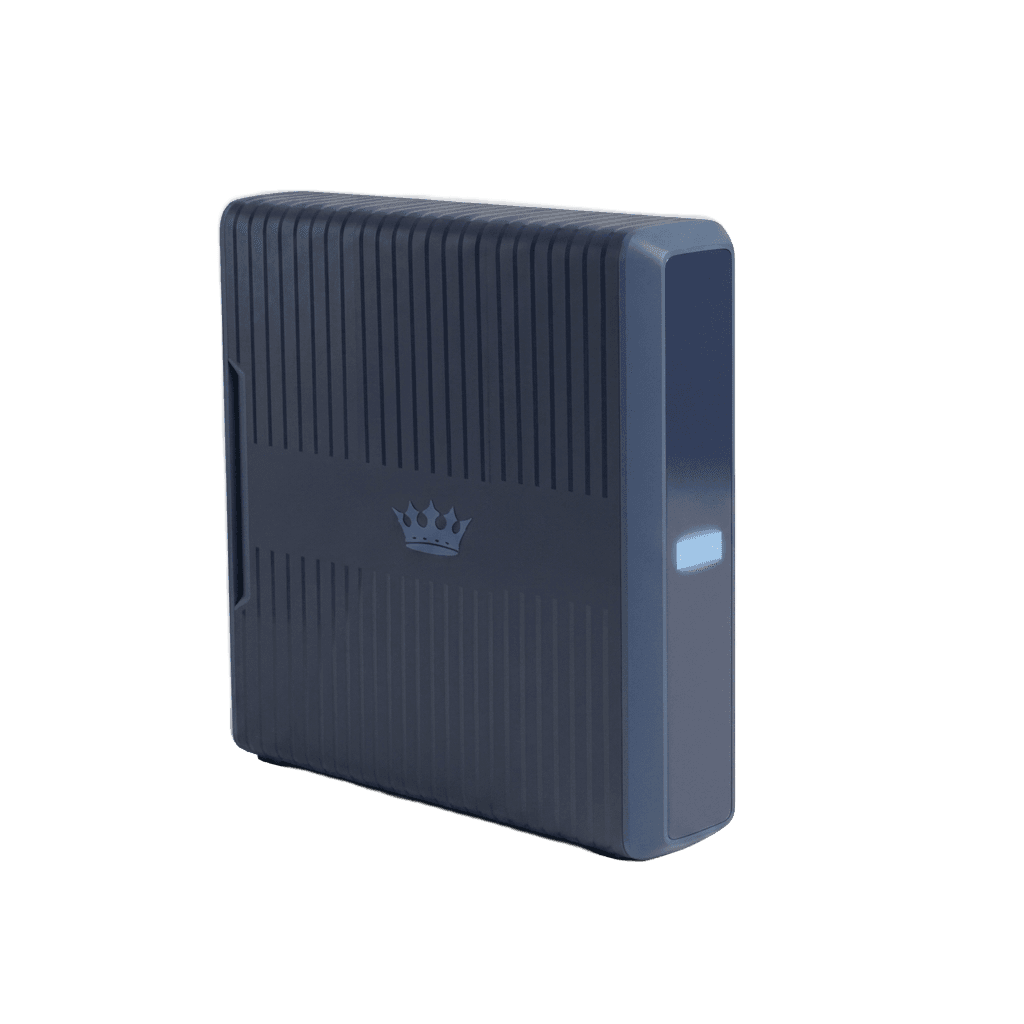
High-performance, compact undersink reverse osmosis: up to 120 litres per hour of high-quality filtered water…
View product →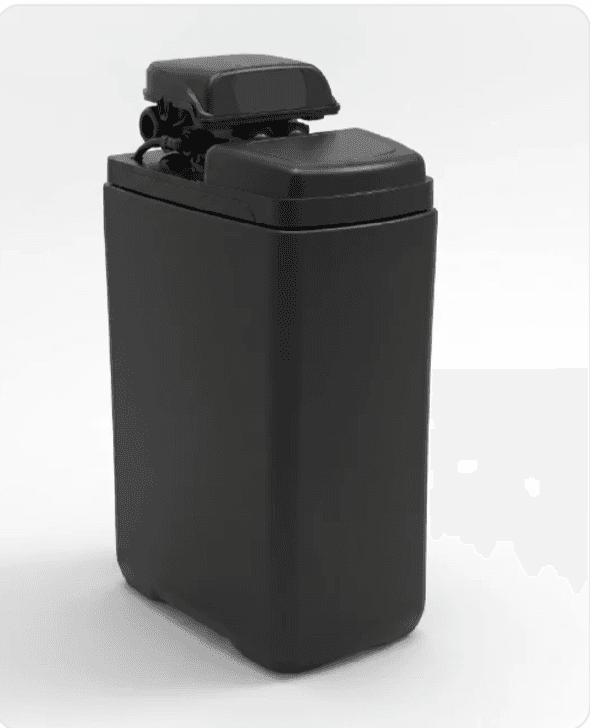
Compact, efficient softening for larger homes and small commercial sites: up to 3 m3 per hour with up-flow…
View product →